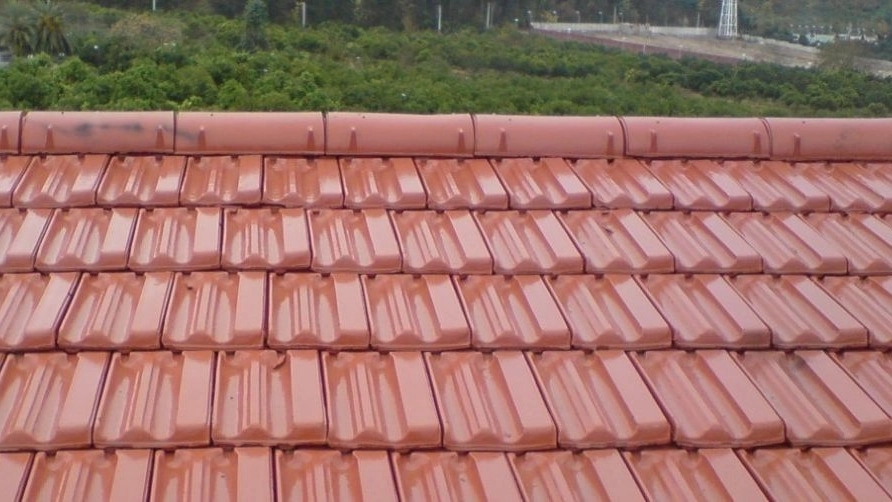
Tabaristan pottery is a product mixed with the culture of Iran for almost half a century, which is considered as one of the most popular roof coverings in Iranian buildings.
Self -esteem
Self-colored pottery is produced from soil, which after adding the required raw materials and mixing in the extruder, enters the pressing machine and gets the desired shape. Then it enters the oven and goes through its natural cycle for baking.
Colored Tabarestan pottery
Clay tiles have been used throughout history to cover sloping roofs. Tabaristan terracotta tiles are produced according to the latest common standards of the world and are self-colored and glazed.
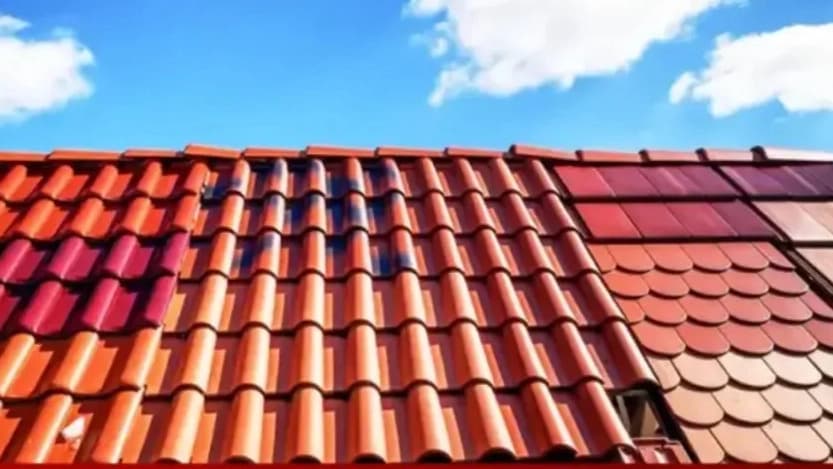
Clay tiles, unlike other mentioned roofs, use clay in their structure and give a beautiful shape and color to the building. Due to the use of clay, clay tiles do not cause any harm to the environment. This feature is the criterion of a number of buyers.
Clay tiles are also very strong in terms of resistance, and along with this strength, they also guarantee a long life. In addition, the correct use of clay in their structure, along with other materials, has caused proper insulation of this type of covering and keeps the building safe from adverse weather conditions. All these things make clay tiles In the list of top 10 gable roofs. Clay tiles are not only earthy in color, and you can also use their happy and varied colors such as blue, green and pink. These tiles have a different structure and contrary to popular belief, they will not easily crack or break due to contact with various objects.
The benefits of using Tabarestan colored pottery
2. Long life and high resistance
3. Resistant to extreme cold and heat
4. Resistant to storms and strong winds
5. Resistant to fire and resistant to impact with hard objects
6. Waterproof and dustproof
7. Anti-algae, especially in wet areas
8. No need to rustproof the underlying structure
The use of Tabaristan pottery over time faced us with issues such as dead soil after several years and water absorption by the tiles. Also, Tabarstan pottery is more fragile than sheet materials, and in the northern regions of the country, which has a humid and rainy climate, it is prone to algae growth.