
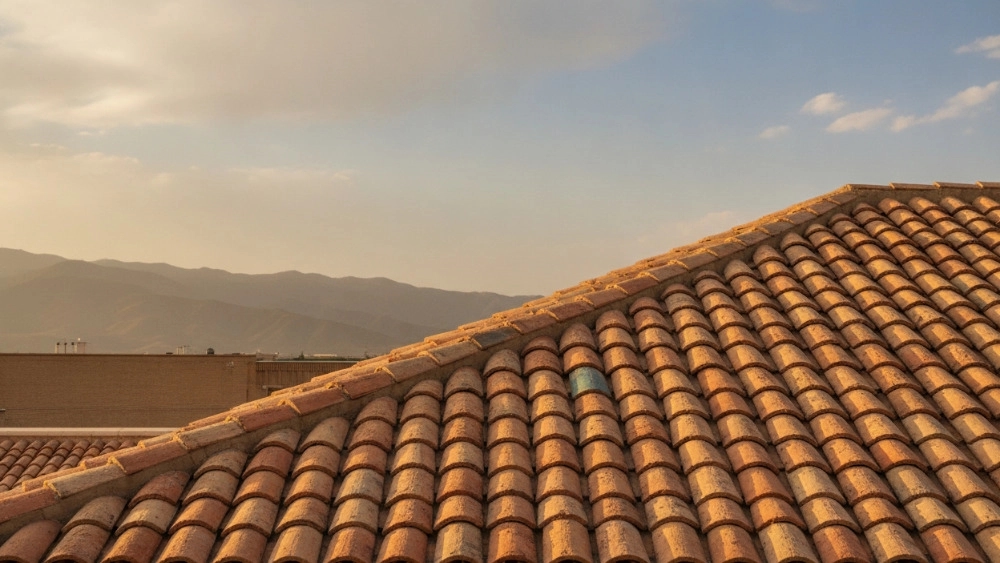
Choosing the right materials for the facade of the building is one of the most important stages of designing and implementing construction projects. In addition to creating a visual effect, the facade is responsible for protecting the external walls from sunlight, rain, freezing, temperature changes, pollution and humidity. In hot and cold regions, the selection of facade materials becomes more important, because weather conditions can reduce the useful life of the facade and increase building maintenance costs.
The best pottery for building facades in hot and cold areas should be checked in terms of thermal resistance, water absorption, mechanical strength, color stability, suitable weight and installation capability. Because of its natural nature, variety of colors, good durability and harmony with Iranian architecture, terracotta facade is considered one of the reliable options for building facades. Among the producers of this field, Tabaristan Pottery Industries has gained a suitable position in the construction materials market by providing standard and diverse products.
The importance of choosing the right pottery for the facade of the building
The facade of the building is exposed to environmental factors throughout the year. In the summer, direct sunlight increases the surface temperature of the facade, and in the winter, the temperature drop and freezing can damage the materials. If the terracotta facade is not of good quality, the possibility of cracking, discoloration, scaling and separation of parts increases.
The best pottery for building facades in hot and cold areas should have a dense structure and uniform firing. Proper firing increases the resistance of pottery against pressure, impact and temperature changes. Clay produced with high-quality raw materials has a uniform surface, stable color and acceptable resistance to environmental conditions.
Choosing the right pottery also affects the energy consumption of the building. Clay facade can act as a protective layer against heat and cold and reduce the transfer of heat to the interior. This feature is very important in residential, office, commercial and industrial buildings and reduces the use of cooling and heating systems.
Characteristics of the best ceramics for building facades in hot areas
Hot areas are usually faced with strong sunlight, high air temperature, dryness, wind and sometimes the difference between night and day temperature. In such areas, building facade materials should have adequate resistance to heat and ultraviolet radiation. Due to the ceramic structure and the firing process, the terracotta facade is suitable for use in hot climates.
One of the most important features of the best pottery for building facades in hot areas is thermal resistance. High-quality pottery does not suffer from surface cracks and breakage due to frequent heating and cooling. This resistance will be better when the pottery is produced with proper thickness and standard firing.
The color of pottery is also important in hot areas. Lighter colors reflect more sunlight and can lower the surface temperature of the facade. However, the natural colors of pottery such as red, orange, pea and brown are also widely used in traditional and modern architecture. Tabaristan Pottery Industries, by producing a diverse range of facade ceramics, provides the possibility of choosing a color that suits the style of the building and climatic conditions.
Low water absorption is another important factor in choosing pottery for hot areas. The more controlled the water absorption of pottery, the less chance of stains, dandruff and damage caused by moisture penetration. The standard ceramic facade should be stable against seasonal humidity and sudden rains.
Characteristics of the best ceramics for building facades in cold regions
Cold regions are faced with snowfall, rain, freezing and repeated cycles of freezing and thawing. In these climates, the penetration of water into the clay pores and its freezing can increase the volume, create cracks and reduce the strength of the parts. For this reason, the amount of water absorption and resistance to freezing is considered one of the most important criteria for choosing ceramic tiles in cold regions.
The best clay for building facades in hot and cold areas in cold climates should have controlled water absorption. Dense construction and full curing reduces water penetration and prevents damage from freezing. Using the products of reliable manufacturers such as Tabaristan Pottery Industries can reduce the risk of premature failure of the facade.
Ceramic facade in cold areas should also be resistant to sudden temperature changes. Extreme temperature changes between day and night or seasonal changes cause expansion and contraction of materials. If the pottery is not of the required quality, these changes will cause cracking or separation of parts from the facade surface over time.
Correct execution of seams and use of proper installation method is also very important in cold areas. Even the best tiles for building facades in hot and cold areas may not perform properly if installed improperly. The design of expansion joints, the use of suitable mortar and paying attention to the connection details increase the durability of the facade.
Comparison of terracotta facade with other building materials
Different materials are used to implement the facade of the building, each of which has its own advantages and limitations. Facade is a popular option for its appearance and strength, but its high weight, high cost, and difficulty in installation can limit its use in some projects. Brick facade also has a natural appearance and good durability, but its quality depends on the type of soil, production method and baking conditions.
Composite facade has little weight and is practical in modern designs, but against extreme heat, impact and some environmental factors, it needs careful consideration. The cement facade also has a reasonable implementation cost, but it may require more maintenance against moisture and temperature changes.
Ceramic facade offers a combination of natural beauty, suitable weight, durability and compatibility with various architecture. This material gives more warmth and originality to the building compared to many facade options. Pottery can be used in traditional, classic, rustic, and modern styles for building facades and can be combined with stone, wood, glass, and metal.
The advantages of using Tabaristan pottery industry
Tabaristan Pottery Industries, focusing on the production of construction clay products, offers a diverse collection for facade implementation. The use of suitable raw materials, control of the production process and attention to the appearance quality are effective factors in the performance of the products of this collection.
One of the advantages of Tabaristan pottery industry is the variety of designs and colors. This variety helps architects and builders to choose the facade of the building according to the usage, geographical location and architectural style. Along with beauty, clay products can create a resistant layer against environmental factors.
Ceramic facade should have regular dimensions and a uniform surface so that its installation can be done more quickly and accurately. Accurate production reduces the waste of materials and creates order in facade lines. The uniformity of the dimensions also allows for a better quality strapping and the final appearance of the building is harmonious and professional.
Color durability is another advantage of high-quality pottery. The facade of the building is exposed to direct sunlight, and poor quality products may change color after a short period of time. Pottery that has a standard firing process shows more color stability and maintains the appearance of the building for a long time.
The role of pottery in reducing energy consumption
The outer shell of the building plays an important role in controlling the heat exchange. Walls and facades that do not perform well against heat and cold transfer, increase energy consumption. By creating a distance and a protective layer in the outer part of the building, the terracotta facade can reduce the intensity of heat transfer.
In hot areas, the clay facade prevents the external walls from heating up quickly and reduces the pressure on the cooling systems. In cold areas, this facade can help maintain the internal temperature and reduce heat loss. Of course, the final performance of the facade depends on the type of wall, insulation, execution method and the overall design of the building.
The best pottery for the facade of the building in hot and cold areas is most effective when it is used together with thermal insulation, principled implementation and proper design. Ceramic alone does not replace all insulation methods, but it can play an effective role in improving energy efficiency along with other building shell components.
Important criteria when buying ceramic tiles
Purchasing ceramic tiles should be done according to the needs of the project and climatic conditions. The first criterion is the quality of raw materials and cooking process. Pottery should be free of cracks, cracking, chipping, and noticeable changes in color or dimensions.
The amount of water absorption should also be checked from the manufacturer or the technical specifications of the product. For cold and humid areas, choosing clay with low water absorption is more important. In hot areas, resistance to thermal shock and sunlight should be prioritized.
Dimensions and weight of pottery affect the execution speed and the load entered into the building. Lighter products can reduce facade dead load, but lightness should not come at the cost of reduced strength. Choosing the standard dimensions reduces the deviation and makes the design simpler.
Coordinating the color and design of the pottery with the overall appearance of the building is also important. The color of the facade should be in harmony with the windows, doors, roof, area and surrounding buildings. Using a real sample of pottery in natural light makes the decision about the final color more accurate.
Methods of making pottery for the facade of the building
Ceramic facade is executed in different ways and choosing the right method depends on the type of product, the height of the building, climatic conditions and the opinion of the designer. Traditional execution with mortar is one of the common methods used in various projects. In this method, preparing the surface, choosing mortar and observing the clauses are very important.
In tall buildings or projects where execution speed is important, dry methods and the use of mechanical connections are also used. These methods allow better control of parts and easier replacement of some parts of the facade. The selection of the execution method should be done by the expert team based on the technical specifications of the pottery.
The work surface must be smooth, clean and free of dust. The presence of inappropriate moisture, protrusion, depression or weakness in the foundation can reduce the adhesion and inconsistency of the facade. The use of standard auxiliary materials such as mortar, strapping and resistant joints improves the final result.
In hot and cold areas, it is necessary to pay attention to the expansion and contraction of the parts. Observing the proper distance between the pieces, implementing control seams and preventing direct pressure between the pottery reduces the possibility of cracking. The execution of the facade must be done based on the plan and technical details.
Maintenance and washing of clay facade
One of the advantages of terracotta facade is its low need for maintenance. However, periodic inspection of the facade can prevent small damages from spreading. Surface cracks, loosening of parts, failure of straps and formation of dandruff should be checked and corrected at the right time.
The washing of the clay face should be done with the right method. Using strong acidic materials or rough tools may damage the surface of the pottery and change its color. For cleaning, water, soft brush and detergents compatible with the surface of pottery are more suitable options.
In cold areas, it is important to check the rope before the start of the rainy season. Damaged seams can open the way for water infiltration and increase the chance of freezing. In hot areas, controlling the color change and checking the effect of dust and strong sunlight helps to increase the life of the facade.
Why Tabaristan Pottery Industries is the right choice for construction projects?
Choosing a reliable manufacturer does not guarantee the quality and durability of the facade of the building, but it significantly reduces the risk of making an incorrect decision. Tabaristan Pottery Industries is considered a suitable option for builders, architects and contractors by offering various products and paying attention to the needs of construction projects.
This collection provides the possibility of choosing ceramic tiles for different projects. Residential buildings, villas, commercial complexes, office centers and renovation projects can benefit from the appearance and technical features of the facade ceramics of this collection. The variety of products makes facade design not limited to a specific style.
Sfal Namaz of Tabaristan Pottery Industries can be chosen for projects where durability, beauty, harmony with the environment and reducing maintenance cost are important. Good quality, natural appearance and usability in various weather conditions have made these products a practical choice for building facades.
summary
The best pottery for building facades in hot and cold areas should be checked in terms of thermal resistance, water absorption, strength, color stability, weight and applicability. In hot areas, resistance to sunlight and temperature changes is more important. In cold regions, resistance to humidity, freezing, and expansion and contraction should be prioritized.
Due to its natural beauty, variety of colors, good durability and the ability to coordinate with different architectural styles, ceramic facade is one of the suitable materials for building facades. Standard product selection and principled implementation play an important role in increasing facade life. Tabaristan Pottery Industries is a reliable choice for projects that require a beautiful, resistant and lasting appearance by providing diverse and high-quality facade ceramics.
At the time of purchase, it is necessary to check the technical specifications, baking quality, water absorption rate, dimensions, color, installation method and climatic conditions of the project. In addition to increasing the attractiveness of the building, the conscious choice of terracotta facade reduces the costs of repair, maintenance and energy consumption over time.